
Environmental advantage
Our material platforms are designed to reduce reliance on petrochemicals while supporting safe end-of-life pathways.
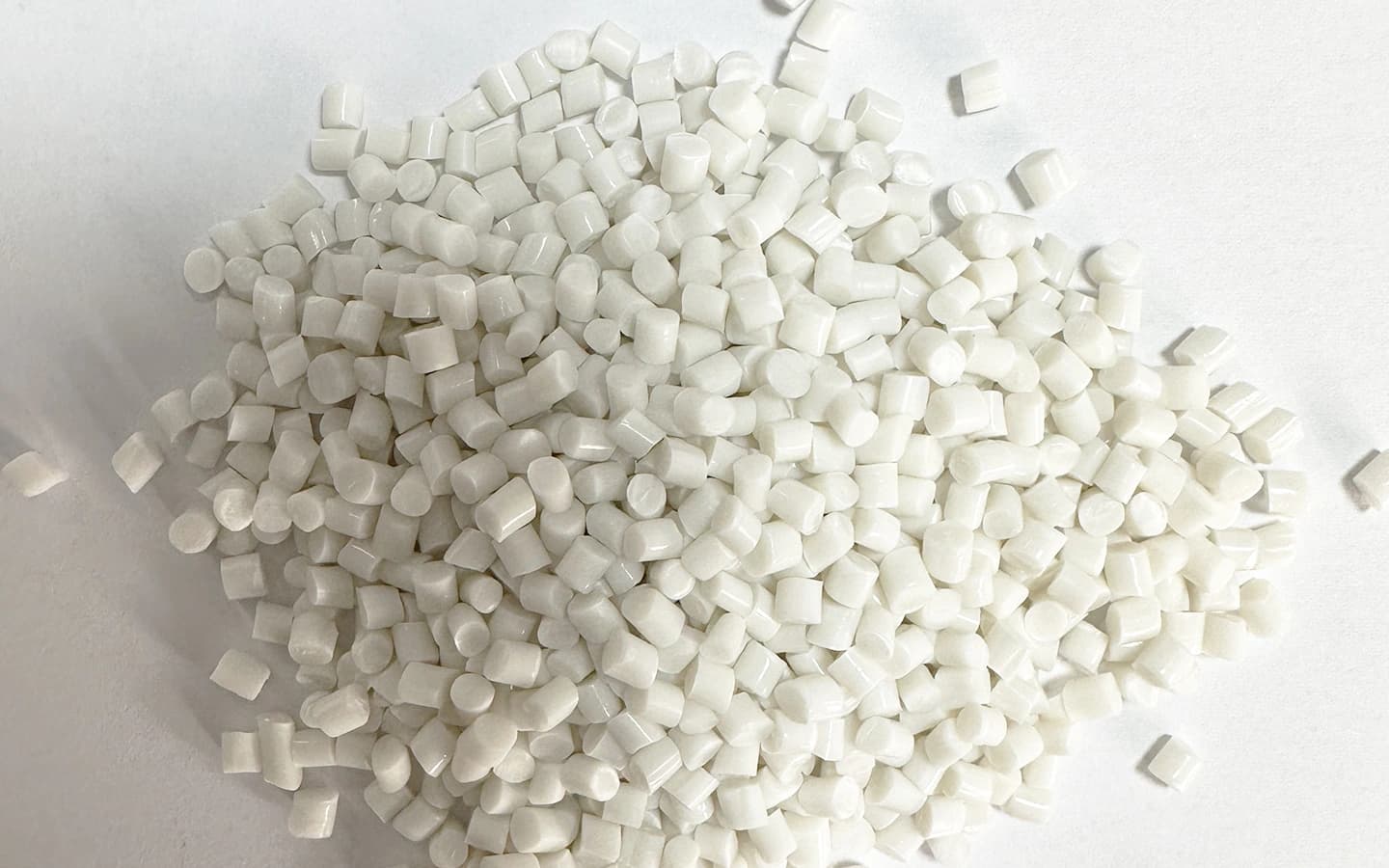
This material exhibits excellent physical properties and mechanical strength, including high transparency and moderate heat resistance (melting point approximately 155°C to 170°C), along with outstanding compatibility, biodegradability, tensile strength and ductility, gloss and transparency, as well as breathability and oxygen permeability.
TRBF95
- 100% biodegradable;
- Compared to conventional petrochemical plastics per unit weight, it saves over 75% of petrochemical resources;
- Reduces CO2 emissions by more than 60% compared to traditional petrochemical plastics per unit weight;
- Free from toxic substances such as phthalate plasticizers and bisphenol A, with heavy metal content compliant with the REACH Directive;
- Exhibits excellent processability, suitable for manufacturing various products using standard plastic blow molding equipment;
- Degradation time is adjustable.
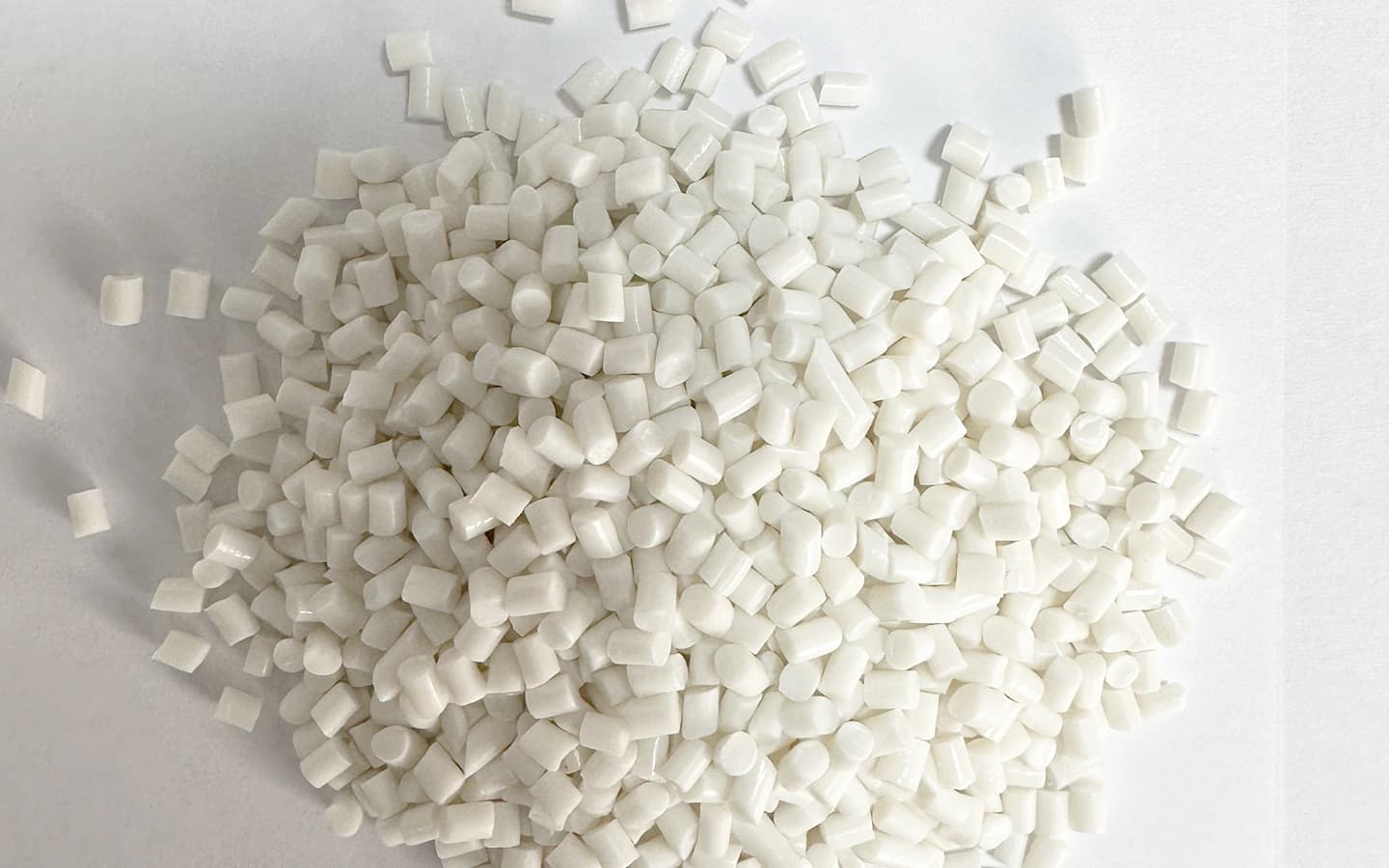
This material exhibits stable and reliable performance, enabling continuous production for 36 hours without interruption. Its melting point ranges between 110°C and 130°C, with no odor or coloration. It demonstrates excellent heat-sealing properties and is easy to process. During storage, moisture protection is essential, and contact with soil or water sources should be avoided.
TH25-10
- It can be completely decomposed through composting;
- Saves over 30% petrochemical resources compared to conventional petrochemical plastics per unit weight;
- Reduces CO2 emissions by more than 40% compared to traditional petrochemical plastics per unit weight;
- Free from toxic substances such as phthalate plasticizers and bisphenol A, with heavy metal content compliant with the REACH Directive;
- Exhibits excellent processability, suitable for manufacturing various products using standard plastic blow molding equipment.
General benefits
● Replaces common plastics at source (“white pollution”).
Biodegradable plastic bags can significantly reduce the long-term accumulation of plastic waste in the natural environment, especially reducing visual pollution and physical damage to soil and water bodies.
● Complete decomposition in industrial composting (months).
In specific industrial composting facilities, compostable plastic bags can be broken down by microbes into water, carbon dioxide and biomass within months, returning to natural balance without producing permanent microplastics.
● Facilitates garbage classification (no manual sorting needed).
Compostable plastic bags eliminate the need for manual sorting of conventional plastic bags at the end of the process, thereby improving the efficiency and purity of organic waste treatment.